Learning to Read Made Easy Supportive Media Resources

Baby Signs, Say & Read Program

Mealtime

Bathtime

Bathtime

Park

Learning the Alphabet Multi-Sensory E-Books

Letter “K” e-book

Letter “I” ebook

Letter “D” ebook

Letter “Z” ebook

Life Skills Easy Learning Multi-Sensory E-Books

Community Workers:
Firefighters

Transportation
in the City

Learn About the Holidays:
4th of July

Learn About
Recycling

Smart Kidz Multi-Sensory E-Songs

Birds of a Feather

Dinosaur Bones

Woodpecker Knockin’

The Magic World

Best Loved Bible Stories Multi-Sensory E-Books Header

Adam and Eve

Jonah and the Whale

David and Goliath

Noah and the Ark

Classic Literature (PD Original Artwork) Multi-Sensory E-Books

Aesop’s Fables

The Tale of Mr. Jeremy Fisher

Ginger & Pickles

The Real Mother Goose

Totally Cool School Podcasts

Sharks

Dinosaurs

Blast Off Into Space

Helping Our Planet

Learning About Our World Videos

Animals And Wildlife Videos

Animal Kingdom –
Bald Eagle

Animal Kingdom –
Baby Elephants

Animal Kingdom –
Baby Lion

Animal Kingdom –
Baby Gazelle

Smart Kidz Radio Music Programs

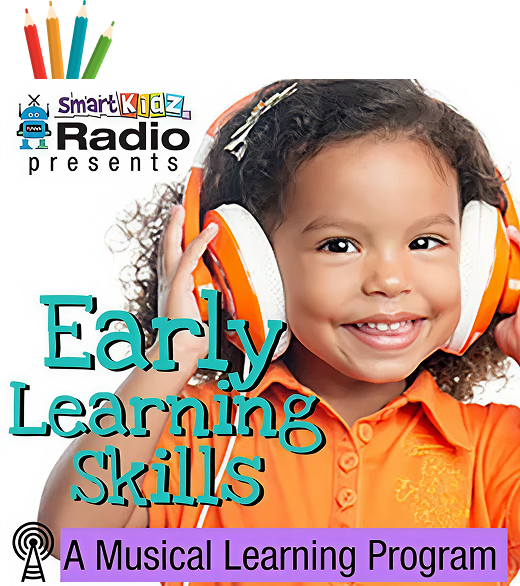
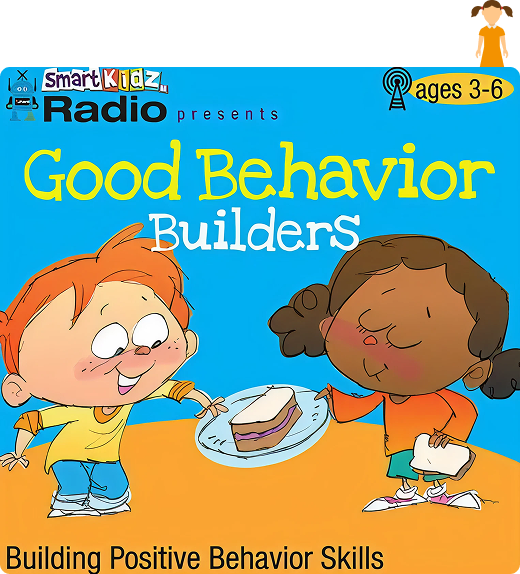
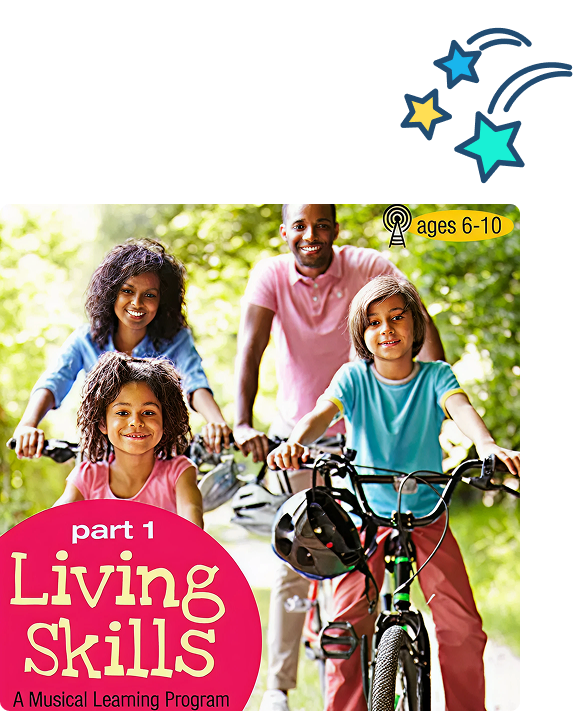
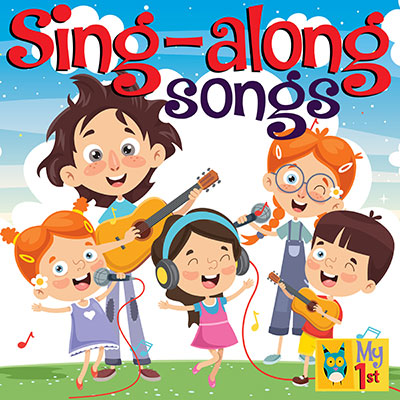
While some beginning readers learn effectively with visual, “hands-on” activities like Smart Cardz and Immersive Reader Essays, still other emerging readers respond best to exciting and informative audio music and story programs. The Reading Adventure Island streaming website offers a wide variety of files that are sure to interest readers of all ages, with more literacy media being added all the time. The audio files on Smart Kidz Radio include engaging and fun content related to life skills, good behavior building skills, positive values, and family sing-along songs

The audio files on the site include engaging and fun content related to life skills (ages birth-3), good behavior building and sing-along songs (ages 3-6), living skills (ages 6-8), fairy tales and fun stories (ages 3-8), and “Totally Cool School” podcasts (ages 3-8). We are also proud to offer virtual concerts that can be enjoyed by kids of all ages.

Meal Time Song

Bed Time Song

Meal Time Song

Getting Dressed Song

Bedtime Lullyaby

Being Selfish Song

Complaining Song

Teasing Song

Bulling Song

Welcome to the Human Race

Kindness and Respect

I’m All Fed Up

Curiosity

Oops!  I Made a Mistake

Parents Care

So Nice to Know

Kick Back and Relax

Humpty Dumpty

Clap, Clap If You Feel You Want To

Old MacDonald Had a Farm

I Went to the Animal Fair

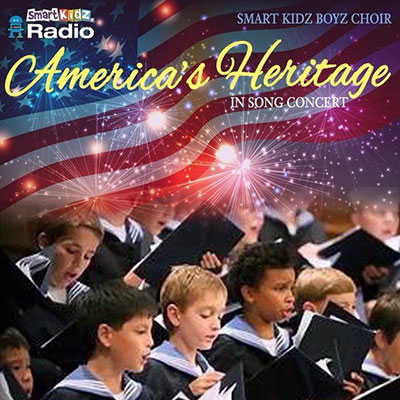
Tribute to America’s Heritage

You’ve Got a Friend in Me

Tribute to Broadway: Be Our Guest

Broadway Songs: Why I Am Me

Smart Kidz Radio: Fairy Tales & Favorite Childhood Stories

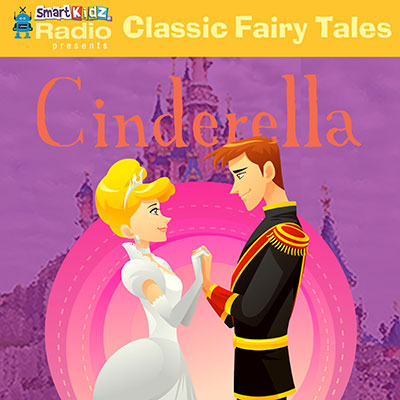
Cinderella

Boogeyman in the Basement

Small is OK

Goldilocks and the Three Bears

Smart Kidz Fun Zone

Mealtime

Bathtime

Bathtime

Park

Experience reading interactive E-Books. Listen to samples of original, age-graded life skills songs. Enjoy listening to entertaining fairytales, inspirational and popular childhood stories on Smart Kidz Radio. Watch “Learn about Your World” videos. There are hundreds and hundreds of supportive multimedia programs found on Island 2 and Island 3 on this Reading Adventure Island streaming website…multimedia that reinforces reading skills while at the same time teaching young readers basic life skills and positive values.

Reading as a Gateway to Knowledge

Consider the vast array of knowledge that lies ensconced in books, articles, and digital media. Reading provides access to this treasure trove, empowering individuals to explore worlds beyond their immediate experience. From a practical standpoint, the ability to read allows people to follow instructions, understand contracts, or navigate public transportation systems. From a more profound perspective, reading facilitates access to history, science, art, and philosophy, enabling readers to participate in the great conversations that have shaped and continue to shape humanity.

It is not enough to say that a person can read; what matters is what they read, how they read, and what they do with what they read. The ability to read Shakespeare opens the door to questions of morality, fate, and ambition. Reading scientific literature enables one to grasp the intricacies of the universe and the marvels of the natural world. Through reading, individuals can connect with cultures across continents and centuries, developing empathy and understanding that would otherwise be inaccessible.

Reading to Think Critically and Act Purposefully

The ultimate end of learning to read is not merely to accumulate information, but to develop the ability to think critically, question assumptions, and formulate reasoned responses to the world. Reading is the foundation upon which critical thinking is built. A literate individual can analyze arguments, detect biases, synthesize disparate ideas, and create new understandings.

In this sense, reading becomes an act of agency. It allows individuals to make informed choices not only in their personal lives but also as members of a broader community and society. Newspapers, essays, and even social media posts are subject to scrutiny and interpretation; without the ability to read thoughtfully, one risks becoming a passive consumer of information rather than an active participant in the shaping of one’s environment.

Literacy as a Path to Self-Discovery and Expression

Beyond the acquisition of knowledge and the honing of critical faculties, reading serves as a means of self-discovery and personal growth. Literature, in all its forms, offers mirrors in which readers can see themselves and windows through which they can view others. Through stories, poems, biographies, and essays, readers vicariously experience joys and tragedies, triumphs and setbacks, gaining insight into the complexity of the human condition.

Moreover, the more one reads, the more one becomes capable of expressing themselves. Exposure to varied voices, genres, and styles inspires and equips individuals to articulate their own thoughts, feelings, and experiences. This is the beginning of writing, of speech, of dialogue—skills that flow directly from literacy yet transcend the mere act of decoding text.

The Risk of Reducing Reading to a Skill

If we consider learning to read as an end in itself, we run the risk of narrowing its scope to mere mechanics. This reductionist approach might produce individuals who can read the words but fail to grasp the meaning, intent, or beauty behind them. The phrase “literate but unlearned” comes to mind—those who can process text but do not reflect, question, or grow.

Education systems that focus solely on reading scores or technical proficiency may inadvertently create such outcomes. It is essential, therefore, to cultivate not just the ability to read, but also the motivation, curiosity, and discernment that turn reading into an instrument for lifelong learning.

The Social and Civic Dimensions of Reading

Reading is also a social act. Shared texts provide common ground for discussion and debate. Communities and societies are built on the exchange of ideas, many of which are transmitted and preserved through written word. The ability to read, then, is foundational to participating in civic life—reading laws, understanding civic duties, and engaging in informed debate.

When reading is seen as a means rather than an end, it is clear that literacy undergirds democracy and social progress. Literate citizens are better equipped to recognize injustice, advocate for themselves and others, and contribute to the collective good.

Reading for Pleasure and Enrichment

Not all ends are grand or external. Reading, too, is a wellspring of pleasure and personal enrichment. The experience of becoming lost in a novel, of laughing at a clever turn of phrase, or of shivering at a suspenseful plot twist is its own reward. This joy, however, is made possible only by first learning to read—by gaining the key that unlocks the library of human creativity.

Reading for pleasure can foster a lifelong love of books and stories, fueling curiosity, imagination, and resilience. It teaches us that reading is not a chore, but a privilege and a delight—a tool that enriches our lives in countless, sometimes unexpected, ways.

The Responsibility of Educators and Parents

Given the instrumental and transformative power of reading, educators and parents bear a profound responsibility. Their role is not just to teach children how to read, but to help them see why reading matters. This means encouraging curiosity, providing access to diverse texts, modeling thoughtful reading, and engaging in conversations about what has been read. 

When children understand that reading is a pathway—to knowledge, to self-expression, to empathy, to joy—they are more likely to become lifelong learners. The goal should be to cultivate not just readers, but thinkers, creators, and participants in the wider world.

Conclusion: Toward a Broader Vision of Literacy

To learn to read is to acquire one of the most powerful tools available to humanity. But the journey does not end with the ability to decode letters and words. Rather, it is just beginning. Reading is the means by which we engage with the world, expand our minds, connect with others, and shape our own destinies. As we teach and learn to read, let us remember: it is not the final destination, but the bridge to a thousand destinations yet unimagined.

Limited School Funding:

Budget constraints can restrict access to reading specialists,
instructional materials, and targeted support for children who need additional help.

Gaps in Instructional Resources:

Teachers need current, effective curricula and classroom materials that support foundational reading skills and meet a range of learning needs.

Heavy Demands on Teachers:

Competing responsibilities and limited planning time can make it difficult for teachers to provide consistent, individualized reading instruction.

Diverse Classroom Learning Needs:

Large classes, varied reading levels, cultural differences, and language barriers require flexible instruction and appropriate support.

Limited Student Engagement:

Reading materials must be engaging and age-appropriate to sustain children’s interest amid competing demands on their attention, including digital entertainment and social media.

Barriers to Family Participation:

Parents and caregivers may face constraints in time, resources, or access to guidance that make it difficult to support reading development at home.

Limited Home Learning Support:

Children benefit from encouragement, regular reading routines, accessible materials, and a supportive environment in which to practice.

Gaps Between Book Access and Reading Instruction:

The practice of giving “free” books is valuable, but children also need structured instruction and ongoing practice. Literacy initiatives should connect access to books with support that helps children learn to read and understand them.

Limited Integration of Life Skills:

Literacy programs can also provide opportunities to develop personal, social, and coping skills, helping children connect reading with everyday learning and responsible decision-making.