






At the Smart Kidz Literacy Initiative’s core is an innovative video streaming platform that provides proprietary video literacy programs that are delivered to underserved communities through schools, libraries and Literacy NPOs. The free resources are available to any qualified educational organization that registers to become a Smart Kidz Literacy Advocate.
Learning to read is often celebrated as a pivotal milestone in a child’s early life, a marker of educational achievement, and a symbol of intellectual growth. Classrooms echo with the triumphant sounds of children decoding their first sentences, and parents beam with pride as their children turn the pages of picture books, stringing together words into meaning. Yet, beneath the 5 © Copyright Smart Kidz Media, Inc. 2026 All rights reserved celebration and the ceremony lies a profound truth: learning to read is not an end in itself, but a means to an end.
Educational studies show that children, raised in lower socio-economic homes and live in underserved communities, face educational hurdles that can be a challenge to overcome on their own.
One study reveals, “Inequitable opportunities, privileges, and life experiences based on economic class deeply affect young children’s lives. Although a family’s economic resources do not determine how much they love their child or how skilled they are at parenting, a lack of those resources can make the fundamental necessities for their children’s healthy growth and development very difficult or impossible to achieve.”
Illiteracy, or the inability to read and write proficiently, has long been a concern in societies worldwide. In the United States, the issue of rising illiteracy rates has become increasingly urgent. While the U.S. prides itself on being a global leader in education and innovation, the growing number of individuals unable to engage in basic literacy activities poses a multifaceted challenge.
The Smart Kidz Literacy Initiative explores the far-reaching effects of rising illiteracy rates in the USA, highlighting economic, social, and cultural impacts.
It is easy, especially in modern societies that value education, to regard reading as an ultimate goal. Standardized tests, grade-level benchmarks, and curricular milestones all seem to suggest that if a child can read at a certain level by a certain age, the battle has been won. However, this outlook risks missing the broader, richer value of literacy. Reading is not the final destination. Instead, it is the golden key that unlocks a universe of knowledge, understanding, and personal development.
Learning to read is similar to learning to play a musical instrument. Just as a musical instrument is meant for playing enjoyable and enriching music, reading is meant for constructing meaning—whether that meaning comes from stories, scientific explanations, historical narratives, or philosophical treatises. The act of deciphering words and sentences is merely the first step. The true purpose of reading lies in what one does with this newfound ability.
Consider the vast array of knowledge that lies ensconced in books, articles, and digital media. Reading provides access to this treasure trove, empowering individuals to explore worlds beyond their immediate experience. From a practical standpoint, the ability to read allows people to follow instructions, understand contracts, or navigate public transportation systems. From a more profound perspective, reading facilitates access to history, science, art, and philosophy, enabling readers to participate in the great conversations that have shaped and continue to shape humanity.
It is not enough to say that a person can read; what matters is what they read, how they read, and what they do with what they read. The ability to read Shakespeare opens the door to questions of morality, fate, and ambition. Reading scientific literature enables one to grasp the intricacies of the universe and the marvels of the natural world. Through reading, individuals can connect with cultures across continents and centuries, developing empathy and understanding that would otherwise be inaccessible.
The ultimate end of learning to read is not merely to accumulate information, but to develop the ability to think critically, question assumptions, and formulate reasoned responses to the world. Reading is the foundation upon which critical thinking is built. A literate individual can analyze arguments, detect biases, synthesize disparate ideas, and create new understandings.
In this sense, reading becomes an act of agency. It allows individuals to make informed choices not only in their personal lives but also as members of a broader community and society. Newspapers, essays, and even social media posts are subject to scrutiny and interpretation; without the ability to read thoughtfully, one risks becoming a passive consumer of information rather than an active participant in the shaping of one’s environment.
Beyond the acquisition of knowledge and the honing of critical faculties, reading serves as a means of self-discovery and personal growth. Literature, in all its forms, offers mirrors in which readers can see themselves and windows through which they can view others. Through stories, poems, biographies, and essays, readers vicariously experience joys and tragedies, triumphs and setbacks, gaining insight into the complexity of the human condition.
Moreover, the more one reads, the more one becomes capable of expressing themselves. Exposure to varied voices, genres, and styles inspires and equips individuals to articulate their own thoughts, feelings, and experiences. This is the beginning of writing, of speech, of dialogue—skills that flow directly from literacy yet transcend the mere act of decoding text.
If we consider learning to read as an end in itself, we run the risk of narrowing its scope to mere mechanics. This reductionist approach might produce individuals who can read the words but fail to grasp the meaning, intent, or beauty behind them. The phrase “literate but unlearned” comes to mind—those who can process text but do not reflect, question, or grow.
Education systems that focus solely on reading scores or technical proficiency may inadvertently create such outcomes. It is essential, therefore, to cultivate not just the ability to read, but also the motivation, curiosity, and discernment that turn reading into an instrument for lifelong learning.
Reading is also a social act. Shared texts provide common ground for discussion and debate. Communities and societies are built on the exchange of ideas, many of which are transmitted and preserved through written word. The ability to read, then, is foundational to participating in civic life—reading laws, understanding civic duties, and engaging in informed debate.
When reading is seen as a means rather than an end, it is clear that literacy undergirds democracy and social progress. Literate citizens are better equipped to recognize injustice, advocate for themselves and others, and contribute to the collective good.
Not all ends are grand or external. Reading, too, is a wellspring of pleasure and personal enrichment. The experience of becoming lost in a novel, of laughing at a clever turn of phrase, or of shivering at a suspenseful plot twist is its own reward. This joy, however, is made possible only by first learning to read—by gaining the key that unlocks the library of human creativity.
Reading for pleasure can foster a lifelong love of books and stories, fueling curiosity, imagination, and resilience. It teaches us that reading is not a chore, but a privilege and a delight—a tool that enriches our lives in countless, sometimes unexpected, ways.
Given the instrumental and transformative power of reading, educators and parents bear a profound responsibility. Their role is not just to teach children how to read, but to help them see why reading matters. This means encouraging curiosity, providing access to diverse texts, modeling thoughtful reading, and engaging in conversations about what has been read.
When children understand that reading is a pathway—to knowledge, to self-expression, to empathy, to joy—they are more likely to become lifelong learners. The goal should be to cultivate not just readers, but thinkers, creators, and participants in the wider world.
To learn to read is to acquire one of the most powerful tools available to humanity. But the journey does not end with the ability to decode letters and words. Rather, it is just beginning. Reading is the means by which we engage with the world, expand our minds, connect with others, and shape our own destinies. As we teach and learn to read, let us remember: it is not the final destination, but the bridge to a thousand destinations yet unimagined.
Many literacy advocates are joining the movement to battle the illiteracy problems that continue to grow and plague communities across the USA—particularly in the poor and underserved communities. The core activity of many of these literacy advocates is to (1) find a source for free or highly discounted children’s fiction books to give away, (2) recruit volunteer or tutors, (3) have them read the fiction books to children in schools or other venues, and (4) give the children a free book after the reading. The challenge for this activity, however, is to find a reliable source for free and/or low cost children’s books to give away to the families they serve.
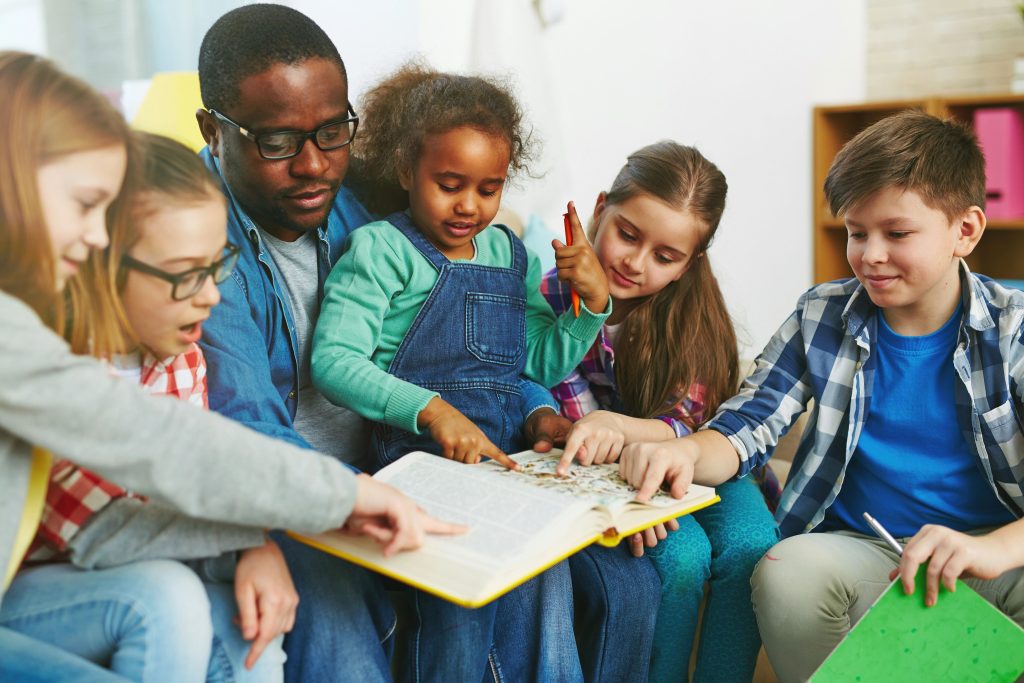
Since literacy advocates are not publishers, they rely on limited and unreliable sources for acquiring free or heavily discounted fiction books. Without a steady source of books, however, these nonprofits struggle with or have difficulty keeping their volunteers and reading programs active.
Another challenge, children today are Internet savvy and spend many hours each day on their devices. To take advantage of this trend, literacy advocates need to (1) provide children with alternative entertaining educational media that is streamed from a 24/7 proprietary, on-demand website, and (2) encourage children to use their devices for interacting with resources that promote literacy.
The root causes of illiteracy are substantially impacted if children read books and interact with educational digital media on their devices each and every day—not just at a onetime reading event! Plus, the big breakthrough: Streaming digital media technology gives literacy advocates the capability to track, in real time, the literacy progress and activities of the children they serve.
We encourage you to peruse this website and learn how the Smart Kidz Literacy Initiative can help NPO Literacy Advocates overcome these challenges. More specifically, the Smart Kidz Literacy Initiative is committed to provide NPO Literacy Advocates with a dependable, reliable source of cutting-edge, physical life skills books and literacy digital media that will help your organization fundraise, recruit volunteers, increase your member base, and impact your community.
Illiteracy directly affects the productivity of the U.S. workforce. Employees with low literacy levels often struggle with tasks requiring critical thinking, written communication, and comprehension. This, in turn, reduces overall efficiency and output in industries ranging from manufacturing to service sectors. Employers must invest additional resources in training or support systems, which can be costly.
Individuals with limited literacy skills are less competitive in the job market. Most modern jobs demand at least a basic level of reading and writing proficiency, whether it involves understanding manuals, completing reports, or communicating effectively. As a result, illiteracy often correlates with higher unemployment rates, perpetuating cycles of poverty and economic instability.
Rising illiteracy places a financial strain on public resources. Government programs aimed at addressing the fallout from illiteracy—such as welfare, food assistance, and housing support—require significant funding. Additionally, underfunded educational initiatives may struggle to reverse the trend, exacerbating the problem.
Illiteracy hampers an individual’s ability to participate fully in civic life. Tasks such as understanding voting ballots, reading news updates, or analyzing political discourse become daunting. This results in lower voter turnout and a less informed electorate, undermining democratic processes.
Low literacy levels have been linked to poorer health outcomes. Individuals unable to interpret medical instructions, read prescription labels, or access health-related information face challenges in managing their well-being. This can lead to increased hospitalizations and reliance on emergency services, further burdening the healthcare system.
Illiteracy often perpetuates itself across generations. Parents with limited literacy skills may struggle to support their children’s education, resulting in a cycle where illiteracy persists within families. This compounds the challenges facing public schools, which are tasked with bridging an ever-widening gap.
A literate population nurtures creativity and innovation. Illiteracy, on the other hand, restricts individuals from exploring literature, engaging in intellectual discourse, or contributing to cultural and scientific advancements. This stifles the nation’s ability to maintain its standing as a leader in global progress.
Individuals struggling with illiteracy often experience social isolation. Embarrassment and stigma can prevent them from seeking help or participating in community activities, leading to feelings of alienation and decreased self-esteem.
Literacy is a gateway to understanding and preserving cultural heritage. Rising illiteracy rates threaten the transmission of traditions, stories, and values, weakening the fabric of community identity over time.
Tackling illiteracy requires a multi-pronged approach involving government, educational institutions, businesses, and communities. Key strategies include:
• Early Intervention: Expanding access to quality early childhood education can lay a strong foundation for future literacy.
• Adult Literacy Programs: Offering accessible, stigma-free programs for adults to improve their literacy skills can address existing gaps.
• Investment in Parents: Equipping parents with the tools and resources necessary to address diverse learning needs is critical.
• Community Engagement: Encouraging local organizations to promote literacy through library services, workshops, and volunteer efforts can bolster grassroots efforts.
Rising illiteracy rates in the USA are a pressing concern with profound economic, social, and cultural implications. Addressing this challenge is not just about individual empowerment but also about safeguarding the nation’s future prosperity and cohesion. By investing in comprehensive educational reforms and fostering a culture that values literacy, the United States can turn the tide and ensure a brighter, more inclusive future for all its citizens.Content Goes Here
Consider the vast array of knowledge that lies ensconced in books, articles, and digital media. Reading provides access to this treasure trove, empowering individuals to explore worlds beyond their immediate experience. From a practical standpoint, the ability to read allows people to follow instructions, understand contracts, or navigate public transportation systems. From a more profound perspective, reading facilitates access to history, science, art, and philosophy, enabling readers to participate in the great conversations that have shaped and continue to shape humanity.
It is not enough to say that a person can read; what matters is what they read, how they read, and what they do with what they read. The ability to read Shakespeare opens the door to questions of morality, fate, and ambition. Reading scientific literature enables one to grasp the intricacies of the universe and the marvels of the natural world. Through reading, individuals can connect with cultures across continents and centuries, developing empathy and understanding that would otherwise be inaccessible.
The ultimate end of learning to read is not merely to accumulate information, but to develop the ability to think critically, question assumptions, and formulate reasoned responses to the world. Reading is the foundation upon which critical thinking is built. A literate individual can analyze arguments, detect biases, synthesize disparate ideas, and create new understandings.
In this sense, reading becomes an act of agency. It allows individuals to make informed choices not only in their personal lives but also as members of a broader community and society. Newspapers, essays, and even social media posts are subject to scrutiny and interpretation; without the ability to read thoughtfully, one risks becoming a passive consumer of information rather than an active participant in the shaping of one’s environment.
Beyond the acquisition of knowledge and the honing of critical faculties, reading serves as a means of self-discovery and personal growth. Literature, in all its forms, offers mirrors in which readers can see themselves and windows through which they can view others. Through stories, poems, biographies, and essays, readers vicariously experience joys and tragedies, triumphs and setbacks, gaining insight into the complexity of the human condition.
Moreover, the more one reads, the more one becomes capable of expressing themselves. Exposure to varied voices, genres, and styles inspires and equips individuals to articulate their own thoughts, feelings, and experiences. This is the beginning of writing, of speech, of dialogue—skills that flow directly from literacy yet transcend the mere act of decoding text.
If we consider learning to read as an end in itself, we run the risk of narrowing its scope to mere mechanics. This reductionist approach might produce individuals who can read the words but fail to grasp the meaning, intent, or beauty behind them. The phrase “literate but unlearned” comes to mind—those who can process text but do not reflect, question, or grow.
Education systems that focus solely on reading scores or technical proficiency may inadvertently create such outcomes. It is essential, therefore, to cultivate not just the ability to read, but also the motivation, curiosity, and discernment that turn reading into an instrument for lifelong learning.
Reading is also a social act. Shared texts provide common ground for discussion and debate. Communities and societies are built on the exchange of ideas, many of which are transmitted and preserved through written word. The ability to read, then, is foundational to participating in civic life—reading laws, understanding civic duties, and engaging in informed debate.
When reading is seen as a means rather than an end, it is clear that literacy undergirds democracy and social progress. Literate citizens are better equipped to recognize injustice, advocate for themselves and others, and contribute to the collective good.
Not all ends are grand or external. Reading, too, is a wellspring of pleasure and personal enrichment. The experience of becoming lost in a novel, of laughing at a clever turn of phrase, or of shivering at a suspenseful plot twist is its own reward. This joy, however, is made possible only by first learning to read—by gaining the key that unlocks the library of human creativity.
Reading for pleasure can foster a lifelong love of books and stories, fueling curiosity, imagination, and resilience. It teaches us that reading is not a chore, but a privilege and a delight—a tool that enriches our lives in countless, sometimes unexpected, ways.
Given the instrumental and transformative power of reading, educators and parents bear a profound responsibility. Their role is not just to teach children how to read, but to help them see why reading matters. This means encouraging curiosity, providing access to diverse texts, modeling thoughtful reading, and engaging in conversations about what has been read.
When children understand that reading is a pathway—to knowledge, to self-expression, to empathy, to joy—they are more likely to become lifelong learners. The goal should be to cultivate not just readers, but thinkers, creators, and participants in the wider world.
To learn to read is to acquire one of the most powerful tools available to humanity. But the journey does not end with the ability to decode letters and words. Rather, it is just beginning. Reading is the means by which we engage with the world, expand our minds, connect with others, and shape our own destinies. As we teach and learn to read, let us remember: it is not the final destination, but the bridge to a thousand destinations yet unimagined.
Budget constraints can restrict access to reading specialists,
instructional materials, and targeted support for children who need additional help.
Teachers need current, effective curricula and classroom materials that support foundational reading skills and meet a range of learning needs.
Competing responsibilities and limited planning time can make it difficult for teachers to provide consistent, individualized reading instruction.
Large classes, varied reading levels, cultural differences, and language barriers require flexible instruction and appropriate support.
Reading materials must be engaging and age-appropriate to sustain children’s interest amid competing demands on their attention, including digital entertainment and social media.
Parents and caregivers may face constraints in time, resources, or access to guidance that make it difficult to support reading development at home.
Children benefit from encouragement, regular reading routines, accessible materials, and a supportive environment in which to practice.
The practice of giving “free” books is valuable, but children also need structured instruction and ongoing practice. Literacy initiatives should connect access to books with support that helps children learn to read and understand them.
Literacy programs can also provide opportunities to develop personal, social, and coping skills, helping children connect reading with everyday learning and responsible decision-making.